Not sure when you need photo consent and when you don't? This guide covers the key situations where consent is required, the cases where it often isn't, and why digital consent collection beats paper forms every time.
Photography is built on timing, trust, and access. But one missed step around consent can lead to complaints, legal risk, reputational damage, or lost commercial opportunities.
Whether you shoot portraits, events, brand campaigns, weddings, festivals, or editorial content, understanding photo consent is part of professional practice now. Not optional. Not someone else's problem.
This guide covers when consent is typically required, when it often isn't, and how to handle it efficiently.
What Is Photo Consent?
Photo consent is simply permission, from a person to be photographed, filmed, or have their image used in a specific way. It matters most when someone is clearly identifiable and the image moves beyond private or incidental use.
But for photographers, it's never just a legal question. It's also about how you work, how clients perceive you, and whether the images you create can actually be used the way you intend.
When You Generally Need Consent
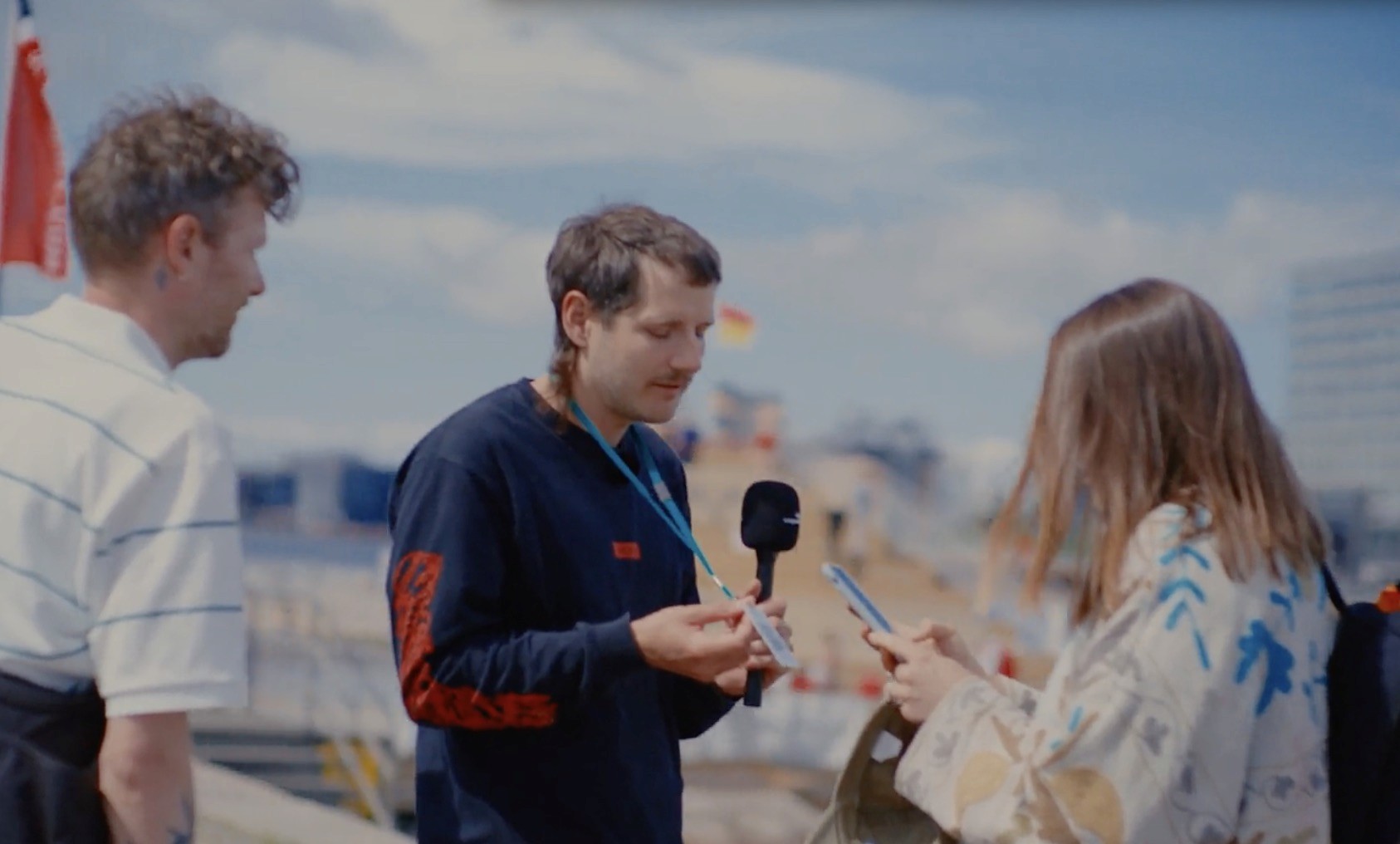
The person is clearly identifiable in a close-up
If the subject is easy to recognise and the image is tight, clear, and intentional, get consent. This covers portrait sessions, headshots, lifestyle close-ups, street portraits, and interview video clips.
The person is the obvious focus of the image
If it's clear the image is about one specific person, treat them as the subject rather than part of the environment. A single audience member highlighted in a crowd, one guest featured repeatedly throughout event coverage, a dancer isolated in frame. These are all subjects, not background.
Sensitive or vulnerable content is involved
Use heightened caution when photographing anything that may reveal private or sensitive circumstances. Children, disability or health-related situations, religious identity, sexuality, or distressing scenes. In these cases, explicit written consent is the safest standard. Full stop.
The image is used commercially
If a photo or video is used to market, advertise, endorse, or promote a brand, consent is typically essential. Ad campaigns, paid social media, brand websites, product launches, sponsored posts, testimonials. Anyone shown in these contexts may appear to be endorsing the brand. Assume you need consent unless you know otherwise.
The person isn't professionally attached to the event
Guests, volunteers, audience members, and members of the public are different from performers, employees, crew, or contracted talent who may already be covered under separate agreements. Event attendance is not the same as consent.
When You Often Don't Need Consent
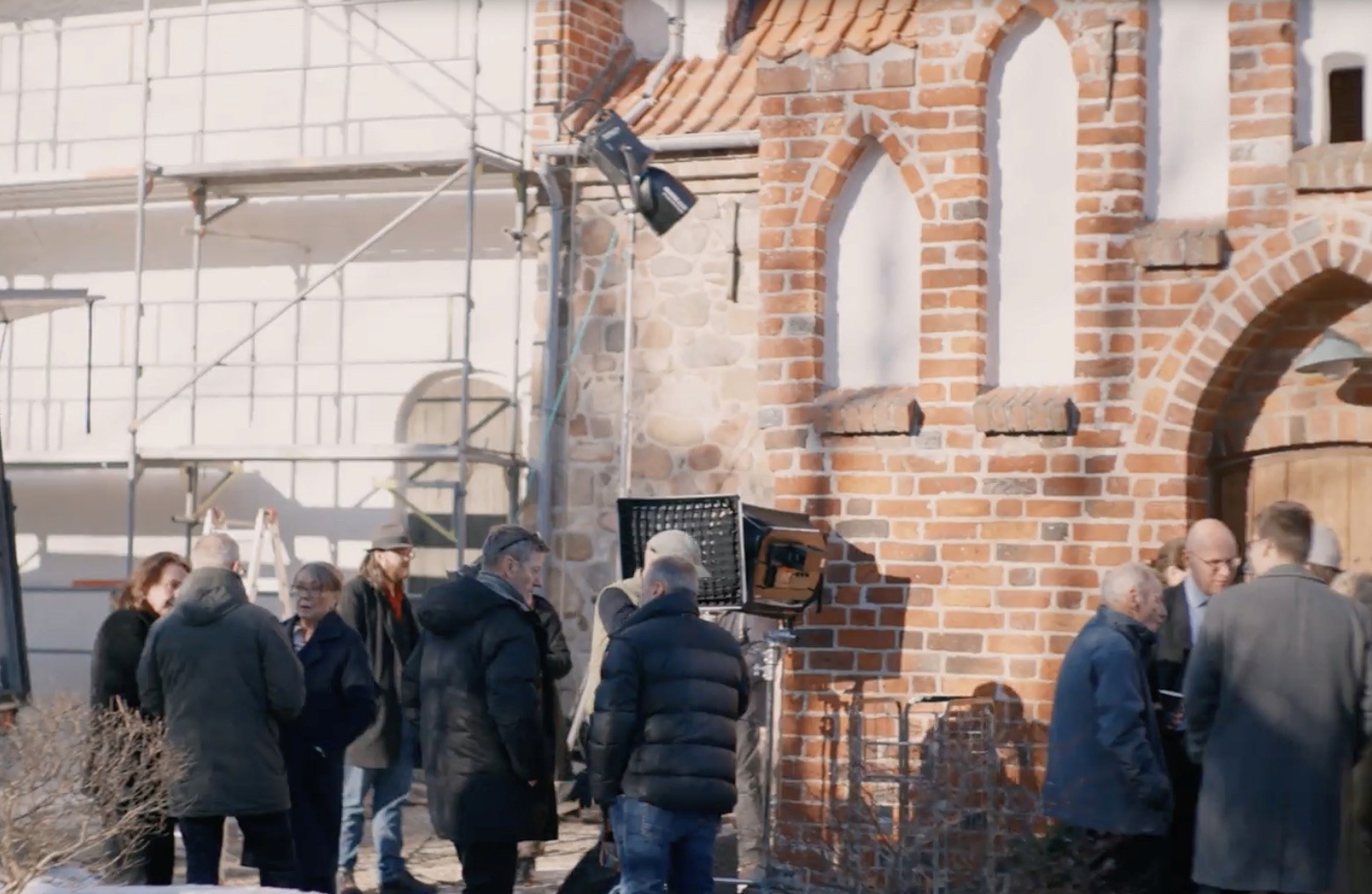
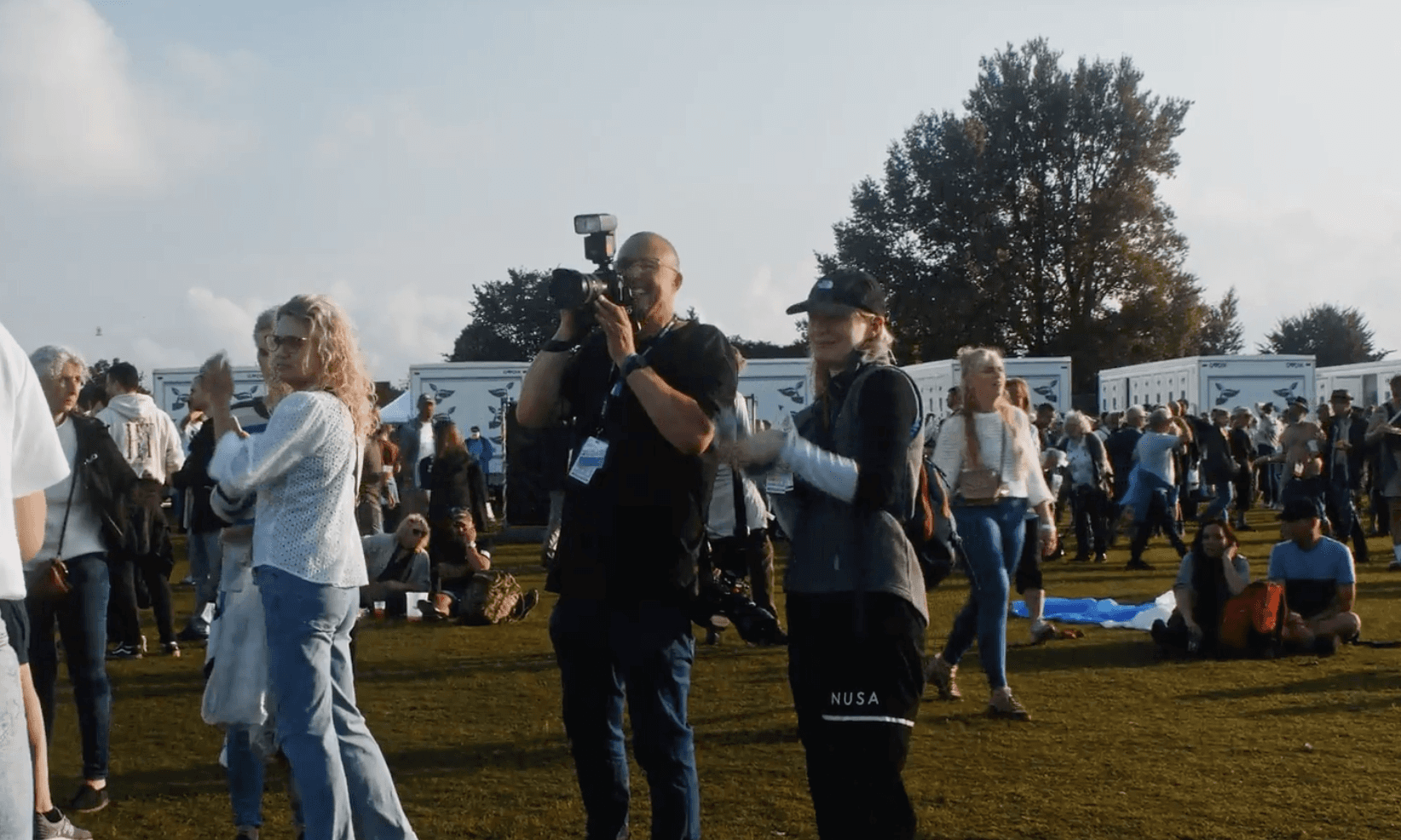
Crowd shots and atmosphere images
Wide shots of public events where no single person is the focus are generally fine. Festival crowds, conference audiences, concert atmosphere shots, street scenes, even if some individuals are technically recognisable, the image is contextual rather than person-focused.
Journalistic or editorial coverage
Images captured for news reporting, commentary, or legitimate editorial use typically have broader allowances, provided privacy rights are respected. Press photography, documentary coverage, news events, and public interest reporting tend to fall into this category.
Background appearances
If someone appears only incidentally in the background and isn't the subject, consent is often unnecessary. Café patrons behind the main subject, passersby in city scenes, a blurred audience behind a speaker.
Public places
Photography in publicly accessible spaces may be lawful without consent in many jurisdictions, but being in a public place doesn't remove all privacy expectations. Use judgement. Avoid anything humiliating, invasive, misleading, or exploitative.
A Note on Photographing Children
Children require stricter handling than adults. The exact age threshold for when parental consent is required varies by country and local legislation, but as a general rule, if a child is clearly identifiable in an image, parental or guardian consent should be obtained before use. This applies to portraits, school or sports photography, group photos where the child is recognisable, promotional content, and social media publication.
When children are involved, written consent should be standard practice, not the exception.
A Quick Decision Filter
Not sure whether you need consent? Run through this:
Is the person clearly recognisable and central to the image? - Get consent.
Is the person one of many in a wide scene? - Consent is often not required.
Is the use commercial? - Get consent.
Is it sensitive, vulnerable, or involves children? - Get explicit written consent.
Still not sure? - Ask first.
Why Digital Consent Makes More Sense Than Paper
Paper forms get lost. Email chains become messy. Verbal permission is difficult to prove when it matters most.
Digital consent gives photographers a cleaner, more professional workflow. Signed permission in one place, timestamped records, easy retrieval for clients or agencies, faster approvals before publication, and better protection if a dispute ever arises.
Connie lets you send photo consent forms digitally, collect signatures quickly via a shared link or QR code, and store everything securely in one place. Particularly useful for event photographers, commercial shoots, brand activations, schools, agencies, and freelance creators.
The Bottom Line
The technical ability to take a photo is not the same as the right to use it. Strong photographers understand light, composition, timing, and consent. The last one protects everything else.
Ready to put this into practice? Take a look at How to Collect Photo Consents Using Connie for a step-by-step guide to building consent collection into your workflow.
Start a free trial now, find more information about Connie here, or book a demo session to learn more.

Previous post: