What we're really building when we say we're building Connie
People ask me what Connie does, and I usually say: "It's the document tool for production teams – like a bank app, but for contracts and consent forms." That's the honest answer. It's also the small answer.
The bigger answer is the one I want to write down here, because it's the reason Logan and I actually started this, and it's the reason we keep going on the days when the work is mostly just plumbing.
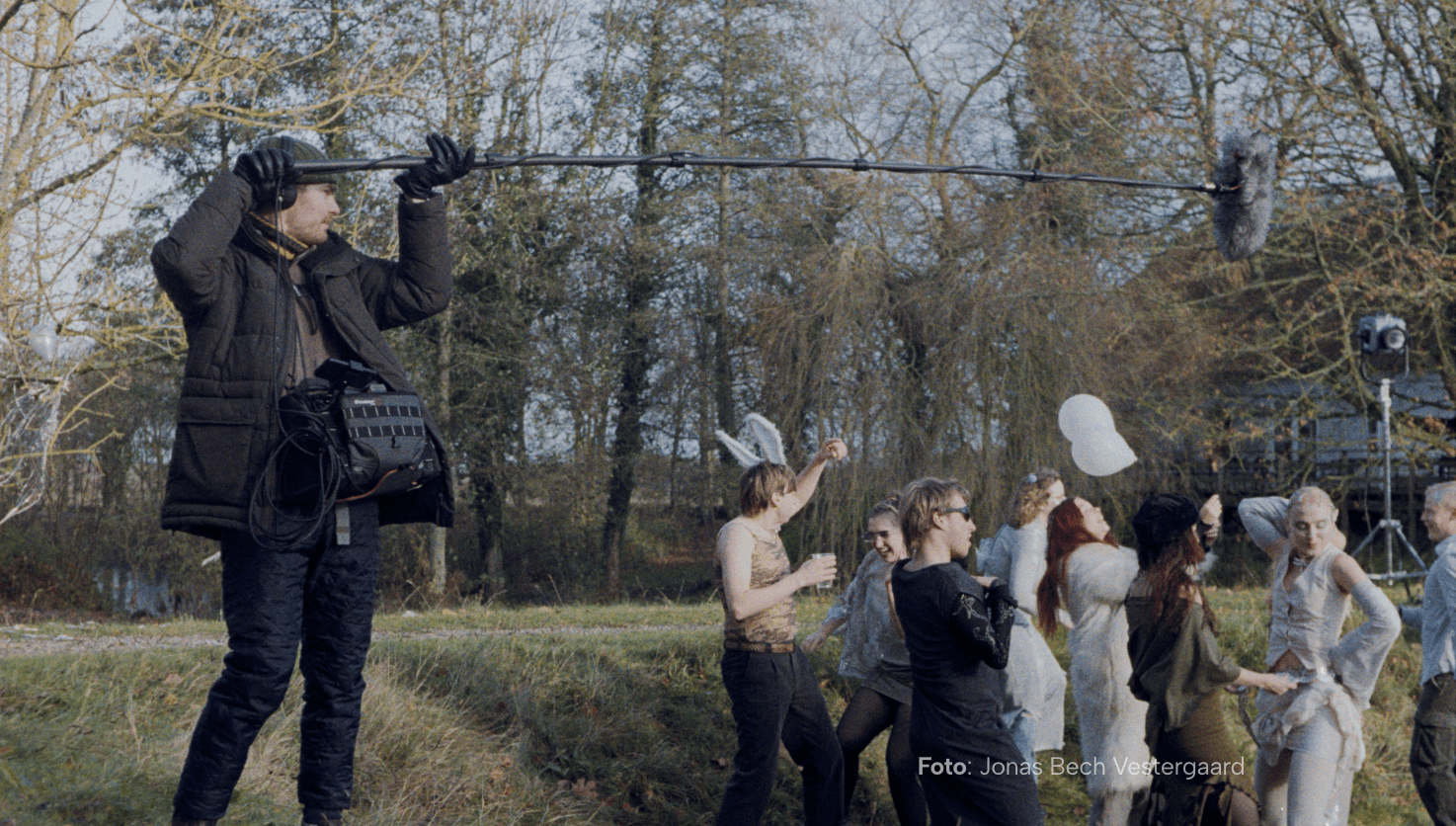
We didn't start Connie because we thought the world needed another e-signature tool. We started it because we kept looking at how production work actually happens in Europe – the speed, the freelancers, the missing signatures, the spreadsheets, the US-hosted tools that nobody quite trusted – and we couldn't find a tool that was built for any of it. Everything that existed had been built for a bank or a law firm or a global enterprise. Nothing had been built for a film crew in a basement in Copenhagen, or a documentary team that just landed in Athens with a camera and three half-signed releases.
So we started with the small problem. But we built it with a much bigger one in mind.
A European tool for a European industry
Most of the software our customers use every day was built somewhere else. Hosted somewhere else. Governed by someone else's laws. For a long time, that was just the deal. You took what was on offer and you signed the box that said "I trust you with my data" because there wasn't really another option.
That's changing, and we want to be part of why.
A European alternative isn't just a flag-waving exercise. It's a practical promise: your data sits in the EU, your rights are protected by EU law, and the company you're handing your most sensitive contracts to actually answers to the same regulators you do. For production companies handling crew data, child contributor consent, talent agreements, and rights deals, that's not a nice-to-have. It's the thing that lets you sleep.
Building this kind of infrastructure in Europe also matters beyond Connie. Every European tool that earns its place pushes back, in some small way, against the assumption that the only serious software comes from somewhere else. We'd like our region to make more of its own.
Faster work, less friction
Films don't get sold because the contracts are beautiful. But they often don't get sold – or distributed, or renewed, or relicensed – because the paperwork is a mess. Missing signatures. Wrong versions. Talent who can't be reached. Three different consent forms in three different inboxes.
Connie's job is to make all of that quieter, so the work people actually want to do can be louder. Sending, signing, tracking, renewing, finding the document from two years ago when the lawyer asks – none of it should take a day. It should take a minute.
When that's true at scale, the whole industry moves faster. Productions launch earlier. Distribution deals close cleaner. Renewals don't get forgotten. Small companies compete with bigger ones because the operational drag is smaller.
That's not a marketing claim. It's just what happens when the boring stuff gets out of the way.
What you see is what you sign
There's a quiet problem with how most contracts work today: half the time, nobody really reads them. The forms are long, the language is dense, the design is hostile, and people sign because they trust the person on the other end – or because they're tired.
We don't think that's good enough, especially in an industry that puts real people in front of real cameras and asks them to agree to a lot. Child contributors, extras, freelance crew, contributors to documentaries about hard subjects – they all deserve a process where the agreement is actually understandable.
So we design for understanding. Clear language. Clean forms. A signing experience that works on a phone in bad light on a windy set. Full audit trails so disputes have facts, not guesses. GDPR and eIDAS by default, not as a separate compliance project.
Transparency isn't a feature we add. It's the shape of the product.
The environmental question, honestly
People sometimes ask if going paperless saves the planet. The honest answer is: probably a bit, and we'd like to measure it properly before we put a number on it.
There are real savings – paper, ink, shipping, archive boxes, the diesel for the courier who's bringing the contract back across town. But there's also a server somewhere, and a laptop being charged, and a lot of assumptions to make. We'd rather get this right than print a misleading number on a slide.
We're working on it.
Where this is heading
The version of Connie we're building today handles contracts and consent for production teams. The version five or ten years out is something more like infrastructure: a shared, trustworthy, European layer that producers, filmmakers, broadcasters, and legal teams can rely on for the boring-but-critical parts of their work.
A few things we think are realistic from here:
A future where cross-border production paperwork doesn't add weeks to a project. Where a Danish line producer, a Dutch broadcaster, and a Spanish co-producer can sign and track the same documents without three different tools and a lawyer to translate between them.
A future where smart tools help spot risk in a contract before it becomes a problem – not by replacing legal expertise, but by giving people fewer surprises.
A future where industry standards for contracts and consent are written down somewhere everyone can find, instead of being passed around between production managers like a secret recipe.
A future where the community around Connie – customers, partners, guilds, unions, film councils, legal experts – is part of how the product evolves. That's already starting, and we'd like it to be a much bigger part of what we do.
None of this is one product release. It's a direction.
Why this matters to us
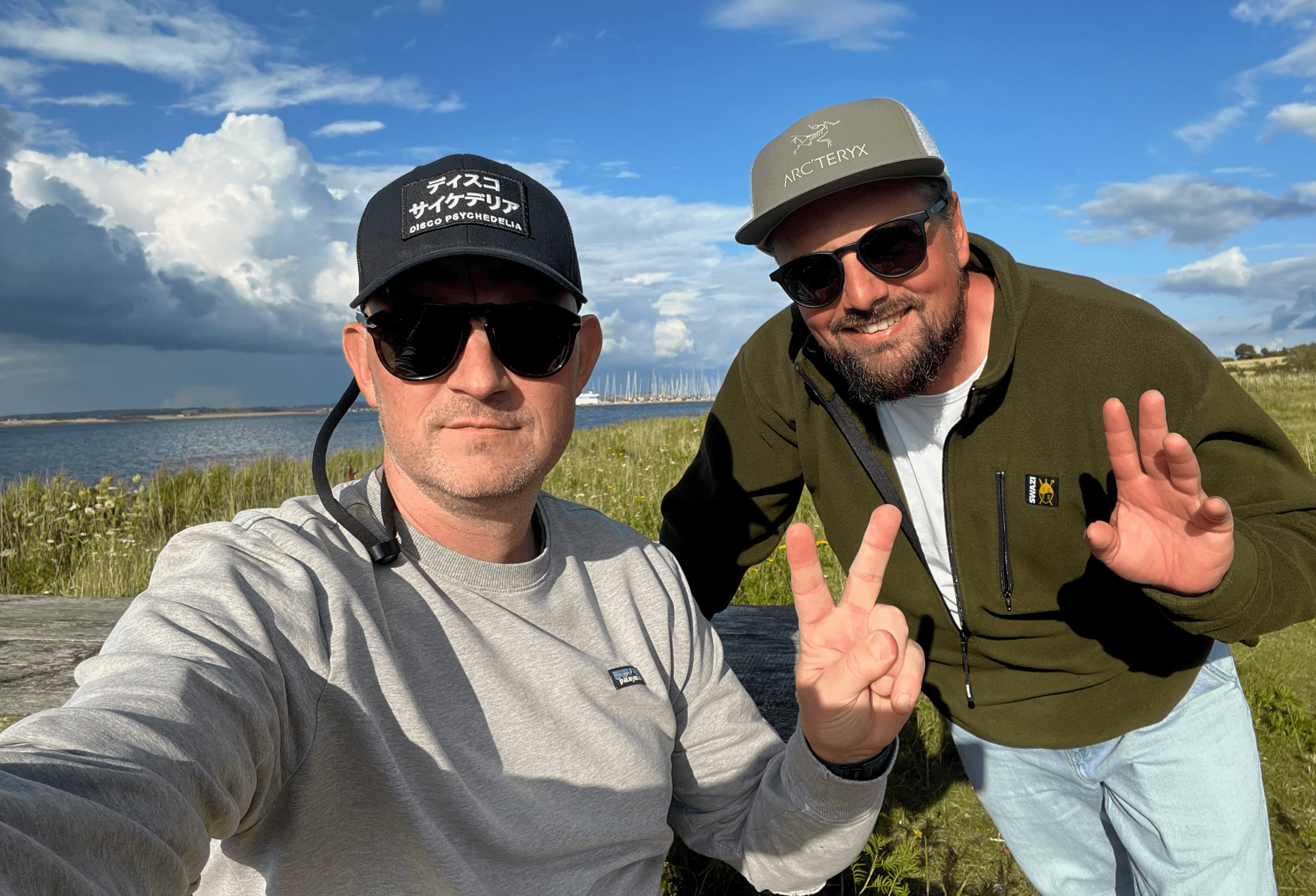
Logan and I are not filmmakers. We're not lawyers. We're a designer and an engineer who got close enough to this industry to see what was missing, and stubborn enough to try to build it.
We think Europe should have its own answer to how documents move through production work. We think creatives deserve tools that match the quality of the work they make. And we think a small Danish company, co-funded by Creative Europe MEDIA, can play a role in making both of those true.
The paperwork is just the beginning. The rest is a longer story – one we're writing with our customers, one signature at a time.
– Daniel & Logan
Co-funded by Creative Europe MEDIA.
Previous post: